


Tel: +30 2316 021 222
Δρ. Αθηνά Ανδραβίζου – Νευρολόγος
Συνδυάζοντας τη Νευρολογία και τη Γνωστική Νευροψυχολογία για ολοκληρωμένη αξιολόγηση και υποστήριξη των γνωστικών λειτουργιών.
Η Ιατρός Αθηνά Ανδραβίζου είναι Νευρολόγος στο Ιατρικό Κέντρο των Ιατρείων Πυλαίας

Νόσος Alzheimer
Αγγειακά Εγκεφαλικά Επεισόδια
Επιληψία
Κεφαλαλγίες
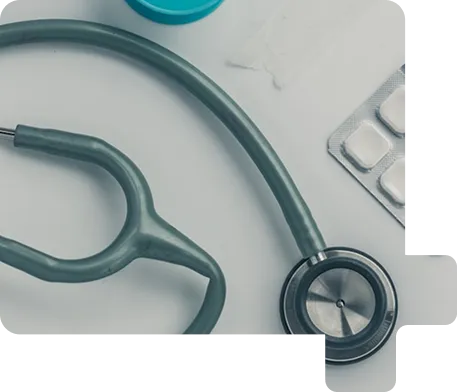
Η Ειδικότητα της Νευρολογίας & της Γνωστικής Νευροψυχολογίας
Η Δρ. Αθηνά Ανδραβίζου ενσαρκώνει το πρότυπο του σύγχρονου νευρολόγου, συνδυάζοντας βαθιά γνώση της γνωστικής νευροεπιστήμης με κλινική εμπειρία και ερευνητική δραστηριότητα. Μέσα από εξειδικευμένη εκπαίδευση στη νευροψυχολογία, προσφέρει ολοκληρωμένη αξιολόγηση των γνωστικών λειτουργιών και εξατομικευμένα προγράμματα γνωστικής αποκατάστασης.
Η προσέγγισή της είναι επιστημονικά τεκμηριωμένη και ανθρωποκεντρική, προσαρμοσμένη στις ανάγκες κάθε ασθενούς, με στόχο τη διατήρηση της γνωστικής υγείας και τη βελτίωση της ποιότητας ζωής σε ένα ευρύ φάσμα νευρολογικών και νευροεκφυλιστικών διαταραχών.
Στην κλινική της πρακτική ενσωματώνει τα ευρήματα της νευρολογικής εξέτασης, της νευροαπεικόνισης (MRI, CT) και της νευροψυχολογικής αξιολόγησης σε ένα ολοκληρωμένο διαγνωστικό μοντέλο, επιτρέποντας ακριβέστερη διάγνωση και στοχευμένο θεραπευτικό σχεδιασμό.
Υπηρεσίες Ειδικότητας

Αξιολόγηση Γνωστικών Λειτουργιών:
Ολοκληρωμένη Νευροψυχολογική Αξιολόγηση Γνωστικών Λειτουργιών.
Γνωστική Αποκατάσταση:
Εξατομικευμένη Ενίσχυση και Αποκατάσταση Γνωστικών Λειτουργιών
Γνωστική Αξιολόγηση & Αποκατάσταση
Η γνωστική αξιολόγηση αποτελεί μια εξειδικευμένη διαδικασία για τη συστηματική εκτίμηση κρίσιμων λειτουργιών, όπως η μνήμη, η προσοχή και οι εκτελεστικές δεξιότητες. Μέσα από ένα ολιστικό πλάνο που συνδυάζει την ιατρική και ψυχολογική κατάρτιση, στοχεύουμε στην έγκαιρη ανίχνευση ελλειμμάτων και στον σχεδιασμό εξατομικευμένων παρεμβάσεων αποκατάστασης που ενισχύουν την αυτονομία και την ποιότητα ζωής του ασθενούς.
1. Πότε Απαιτείται Γνωστική Αξιολόγηση;
Η αξιολόγηση είναι απαραίτητη σε περιπτώσεις όπως:
Σκλήρυνση κατά Πλάκας – Έγκαιρη ανίχνευση γνωστικής έκπτωσης υποστηρίζει τη θεραπευτική στρατηγική.
Νόσος Alzheimer & άλλες άνοιες – Πρόωρη διάγνωση επιτρέπει έγκαιρη παρέμβαση.
Αγγειακά εγκεφαλικά επεισόδια – Καθορίζει το πλάνο αποκατάστασης μετά από ελλείμματα λόγου, μνήμης ή εκτελεστικών λειτουργιών.
Κρανιοεγκεφαλικές κακώσεις – Ακόμη και ήπια τραύματα επηρεάζουν μνήμη και συγκέντρωση.
Νευροαναπτυξιακές διαταραχές – Δυσλεξία, ΔΕΠΥ, μαθησιακές δυσκολίες.
Επιληψία & άλλες νευρολογικές παθήσεις – Φάρμακα ή χρόνια νόσος επηρεάζουν τις γνωστικές επιδόσεις.
Ψυχιατρικές διαταραχές – Κατάθλιψη και άγχος συχνά συνοδεύονται από γνωστική δυσλειτουργία.
2. Τι Προσφέρει η Γνωστική Αποκατάσταση
Η γνωστική αποκατάσταση στοχεύει:
Στην ενίσχυση διαταραγμένων γνωστικών λειτουργιών
Στην εκπαίδευση αντισταθμιστικών στρατηγικών
Στη βελτίωση καθημερινής λειτουργικότητας
Στην ενίσχυση αυτονομίας και ποιότητας ζωής
Τεκμηριωμένες μέθοδοι που εφαρμόζει περιλαμβάνουν:
Προγράμματα υπολογιστικής εκπαίδευσης
Στρατηγικές μνήμης
Εκπαίδευση εκτελεστικών λειτουργιών
Διαχείριση γνωστικής κόπωσης
Ψυχοεκπαίδευση ασθενών και οικογένειας
Η παρέμβαση εντάσσεται σε ολιστικό πλαίσιο, λαμβάνοντας υπόψη συναισθηματική κατάσταση, κοινωνικό περιβάλλον και επαγγελματικές απαιτήσεις.
3. Τα Πλεονεκτήματα Διπλής Ειδίκευσης
Η συνύπαρξη ιατρικής και ψυχολογικής κατάρτισης προσφέρει:
Ακριβή διαφορική διάγνωση (νευρολογικό vs ψυχογενές αίτιο)
Κατανόηση νευροαπεικονιστικών ευρημάτων
Προσαρμογή φαρμακευτικής αγωγής με γνώμονα τη γνωστική λειτουργία
Επιστημονικά τεκμηριωμένη αποκατάσταση
4. Η Αξία της Έγκαιρης Παρέμβασης
Η έγκαιρη αξιολόγηση:
Προλαμβάνει λειτουργική έκπτωση
Βελτιώνει συμμόρφωση στη θεραπεία
Υποστηρίζει κοινωνική και επαγγελματική ένταξη
Μειώνει άγχος από αβεβαιότητα για τα συμπτώματα
Στις χρόνιες παθήσεις όπως η Σκλήρυνση κατά Πλάκας, η τακτική
παρακολούθηση των γνωστικών λειτουργιών αποτελεί μέρος της σύγχρονης νευρολογικής φροντίδας.
Προφίλ Ιατρού
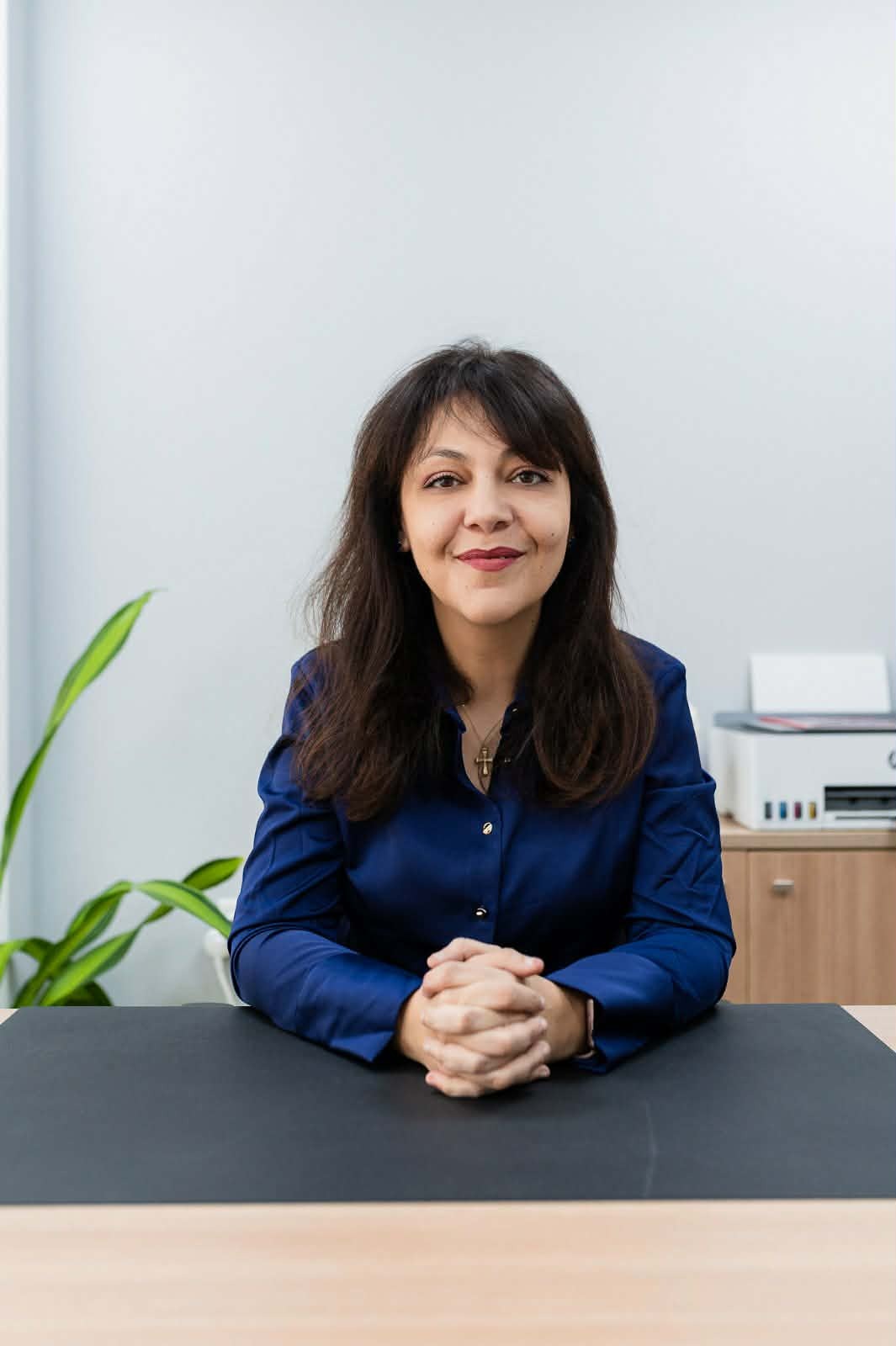
Δρ. Αθηνά Ανδραβίζου - Νευρολόγος & Γνωστική Νευροψυχολόγος
Η Δρ. Αθηνά Ανδραβίζου αποτελεί μία σύγχρονη επιστήμονα υγείας με διεπιστημονική κατάρτιση που συνδυάζει την Ψυχολογία, τη Γνωστική Νευροψυχολογία και τη Νευρολογία. Η εκπαίδευσή της ξεκινά με πτυχίο Ψυχολογίας από το Αριστοτέλειο Πανεπιστήμιο Θεσσαλονίκης, αποκτώντας στέρεες γνώσεις στη γνωστική, αναπτυξιακή και κλινική ψυχολογία.
Στη συνέχεια, εξειδικεύτηκε στη Γνωστική Νευροψυχολογία στο University College London, με έμφαση στην ψυχομετρική εκτίμηση νευροαναπτυξιακών διαταραχών. Η εκπαίδευση αυτή προσέφερε υψηλού επιπέδου κατάρτιση στη χρήση σταθμισμένων νευροψυχολογικών εργαλείων και στην κατανόηση της σχέσης εγκεφάλου–συμπεριφοράς.
Η μετέπειτα φοίτησή της στην Ιατρική Σχολή του Πανεπιστημίου Θεσσαλίας και η απόκτηση της ειδικότητας στη Νευρολογία ολοκλήρωσαν το επιστημονικό της προφίλ. Η διδακτορική της διατριβή, με αντικείμενο την εγκεφαλική ατροφία και τις γνωστικές λειτουργίες στη Σκλήρυνση κατά Πλάκας, ανέδειξε τη βαθιά ενασχόλησή της με τη σύνδεση δομικών εγκεφαλικών αλλαγών και γνωστικής έκπτωσης.
Τομείς Εξειδίκευσης
Σκλήρυνση κατά Πλάκας και γνωστική έκπτωση
Νευροανοσολογία
Βιοδείκτες σε νευροεκφυλιστικά νοσήματα όπως η νόσος Alzheimer
Ακριβή διαφορική διάγνωση (νευρολογικό vs ψυχογενές αίτιο)
Κατανόηση νευροαπεικονιστικών ευρημάτων
Προσαρμογή φαρμακευτικής αγωγής με γνώμονα τη γνωστική λειτουργία
Επιστημονικά τεκμηριωμένη αποκατάσταση
Σημαντικές συνεισφορές περιλαμβάνουν:
Μηχανισμούς εγκεφαλικής ατροφίας και την κλινική τους σημασία
Αξιοπιστία ανίχνευσης γνωστικής επιδείνωσης
Αποτελεσματικότητα υπολογιστικών προγραμμάτων γνωστικής εκπαίδευσης
Μελέτη της γνωστικής κόπωσης στη Σκλήρυνση κατά Πλάκας
Συμβολή της σε μετα-αναλύσεις έχει τεκμηριώσει ότι η συστηματική γνωστική παρέμβαση μπορεί να βελτιώσει νευροψυχολογικές επιδόσεις και καθημερινή λειτουργικότητα.
Η εμπειρία της σε πανεπιστημιακά νοσοκομεία και σε κέντρα αποκατάστασης, καθώς και η συμμετοχή της σε κλινικές μελέτες στη Β’ Νευρολογική Κλινική ΑΧΕΠΑ του Αριστοτέλειου Πανεπιστήμιου Θεσσαλονίκης, διασφαλίζουν υψηλό επίπεδο επιστημονικής ενημέρωσης και εφαρμογής σύγχρονων θεραπευτικών πρωτοκόλλων.
Ανακαλύψτε το blog μας
The Great Decoupling: Why Your SEO Strategy is Obsolete in 2026
The Quiet Death of the Blue Link
For decades, the $80 billion SEO industry operated on a simple premise: rank on page one, earn the click, and control the user journey. But in 2026, that traditional traffic funnel is experiencing "the Great Decoupling." This is the systematic separation of top-of-funnel (TOFU) informational queries from direct website referral traffic.
As we move deeper into The Agentic Paradigm, the rules of 2024 have been rendered obsolete. When autonomous systems synthesize answers and execute transactions directly within the search interface, the "ten blue links" become secondary to the answer itself. To survive, brands must pivot from being a destination to being a foundational data point within the models that now filter the world’s information.
"SEO Gets You Clicked, GEO Gets You Quoted"
The new frontier is Generative Engine Optimization (GEO). While traditional SEO focuses on driving traffic to a URL, GEO is the practice of engineering your content to be retrieved and recommended by AI models like Gemini 3.5 Flash—now the default in Google’s AI Mode. Success is no longer measured by position, but by your Reference Rate: the frequency with which an AI model cites your brand as an authoritative grounding source.
The shift is a sober response to the new search reality. Gartner predicted a 25% drop in traditional search volume by 2026, and the data confirms it: zero-click searches now account for up to 69% of all queries, peaking at 75% on mobile. In this environment, a #1 link that 58.5% of people won't click is less valuable than being the primary citation in a synthesized answer.
"SEO gets you clicked, GEO gets you quoted."
The Literal Death of the Keyword (0.49% Accuracy)
If you are still optimizing for exact-match query strings, you are fighting a mathematical losing battle. In 2026, only 0.49% of page-one rankings feature an exact-match query in their display titles. Search has moved fully into vector-space semantic modeling, where "Vibe Coding" or semantic intent is mathematically superior to keyword stuffing.
Modern engines map queries and content into a 768-dimensional Nomic vector space. They prioritize Cosine Similarity (the angular distance between meanings) over Jaccard Similarity (literal word-for-word overlap).
For example, a user asking "what causes a car to overheat?" will find a ranking titled "Why Is My Engine Hot?" despite a Jaccard score of just 0.10. Their Cosine Similarity, however, is a massive 0.91. Your content must focus on these semantic relationships rather than isolated phrases. As Brian Dean famously noted:
“Building a website without SEO, is like building a road without direction.”
Your New Competitor is an "Information Agent"
You are no longer just competing against other websites, you are competing against Google’s Information Agents and Bing's Auto Browse. These aren't just better search bots—they are 24/7 background monitors.
In the agentic era, a user can "brain dump" complex requirements—such as a specific apartment with precise amenities—and their agent will continuously scan finance, shopping, and social data to notify them the moment a match appears. This fundamentally changes the buyer's journey. Users now arrive at a brand "pre-informed and ready to purchase," having completely bypassed the awareness-stage content on your website. If your data isn't structured for these agents to extract, you simply don't exist in their decision-set.
The Citation Paradox—Fact Density Over Word Count
The "Citation Paradox" remains the most counter-intuitive finding of the Princeton-backed research presented at KDD 2024. The study proved that citing other credible, external sources actually increases the likelihood that an AI engine will cite you.
To boost visibility by the projected 30-40%, you must prioritize Fact Density: the number of verifiable facts, dates, and named entities per 100 words. The most successful GEO pipelines use two specific strategies:
Quotation Addition (+41% visibility): Integrating direct quotes from named, certified experts.
Statistics Addition (+31% visibility): Replacing vague qualitative claims with precise, numerical data.
This is the "Information Gain" signal in action. If your content doesn't provide unique, non-duplicative knowledge that exists nowhere else, the model will discard it in favor of a more fact-rich source.
AI is Blind to Your "Interactive" UX
There is a growing irony in modern web design: the interactive features built to "engage" humans are making brands invisible to AI. AI crawlers like GPTBot and ChatGPT-User prioritize efficiency, they do not execute JavaScript or click to reveal content hidden in accordions or tabs.
Furthermore, generative engines utilize Retrieval-Augmented Generation (RAG), which performs a Query Fan-Out. This process breaks down user questions to find specific passages rather than entire pages. If your pricing charts or specs are gated behind interactive elements, they are lost to the RAG pipeline. To remain visible, Server-Side Rendering (SSR) is no longer a technical preference—it is a mandatory foundation for visibility.
The Era of "Share of Model"
We have officially transitioned from tracking "Share of Voice" to "Share of Model." Your primary KPI is now how often your brand is recommended and synthesized by the LLMs that 800 million weekly active users now trust.
This requires a fundamental rethink of brand existence. In a world where the search engine has become a search agent, a brand that cannot be synthesized is a brand that is functionally invisible.
When the search engine becomes the search agent, is your content providing the answers, or just taking up space?


Ξεκινήστε το ταξίδι της υγείας σας σήμερα
Προγραμματίστε το ραντεβού σας για μια ολοκληρωμένη αξιολόγηση και εξατομικευμένη φροντίδα. Η ποιότητα ζωής σας ξεκινά με τη σωστή διάγνωση – μη διστάζετε!


